The Sea Witch – Book Review

The Sea Witch – Book Review

I received this book in exchange for an honest review, through the GoodReads group “YA Buddy Readers’ Corner”.

“Each time she had kissed her husband, she had hoped the sensation would vanish, and each time, she was disappointed. But how, after all that time and after all the love they had shared, could it still not be true love?”
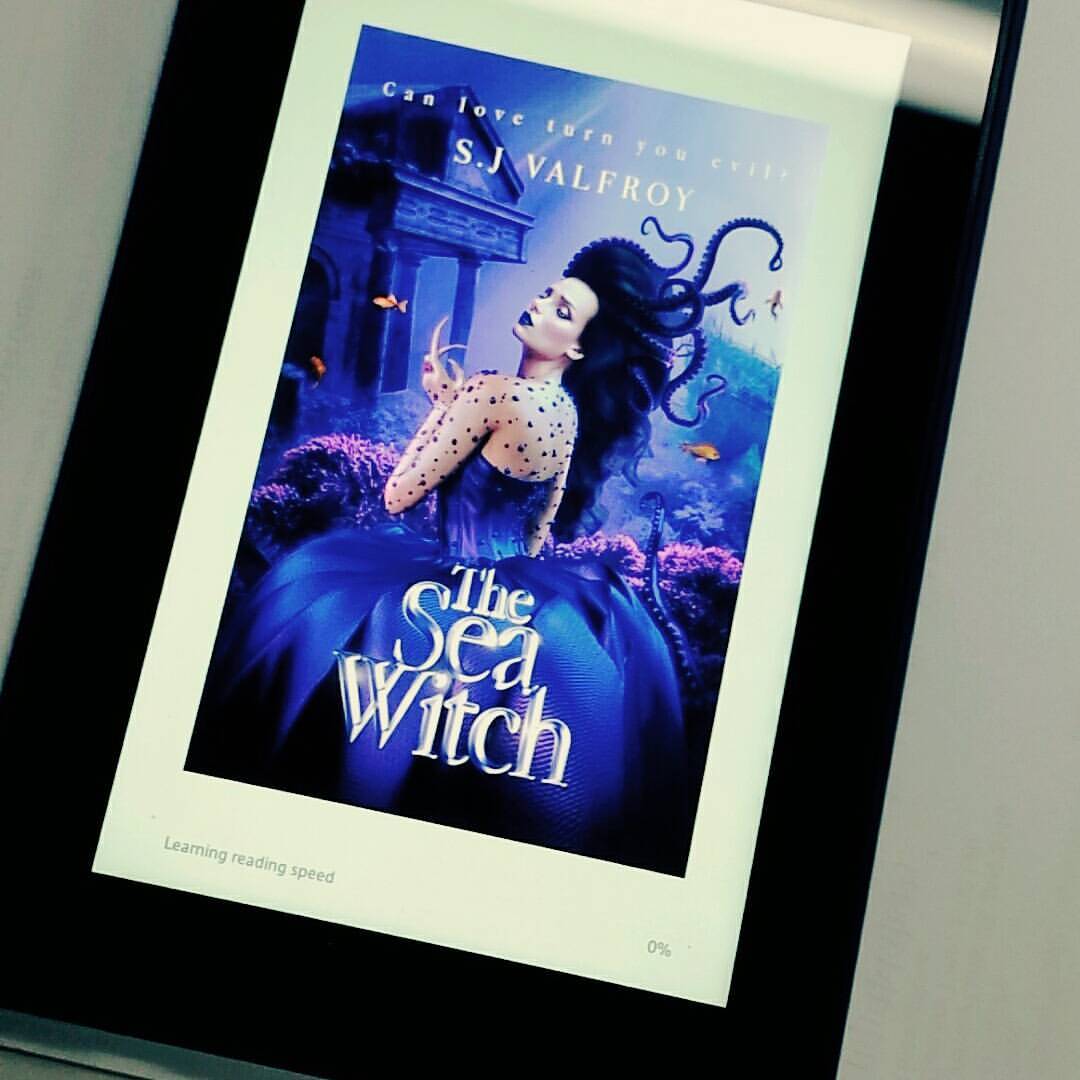
Evil isn’t born. It’s made. Or so that’s what seems to be the case in this story. Whether the circumstances surrounding the subject in question makes them turn evil, or the potential to become evil buried deep inside them is uncertain. Can it be a combination of both? Can the mere fact of having a less than desirable upbringing, and the desire to get what you want no matter what the costs lead you to do unspeakable things? Can it truly make you evil? In The Sea Witch, I would say it’s a combination of both.

When we first meet Serena, she is such an innocent girl. Well, she’s not the kind of woman that her mother is, and we can clearly see that she wants nothing to do with the magic that she was born with, the magic that her mother wants her to give in to. All she wants is for Prince Triton to actually notice her, and maybe even talk to her long enough to fall in love with her. It may be a girl’s simple dream, but it’s something that she wants more than anything, even if it means taking down whatever stands in her way.

It wasn’t until Triton’s mom, the Queen Amphitrite insults her heritage and her social standing is just the push Serena needed to start on the long and tiring journey to get what she wanted. It was also the moment that she realized that the royal family would never see her as anything but a maid and the daughter of a sea witch, in essence judging her on something that she has no control over. Of course, this was wrong of the Queen to be so cruel and heartless, but her fate wasn’t what she deserved. Even the King’s fate was something that could have been avoided if they just stopped judging people.

Thus the story continues until one day, even after Triton and Serena are living “happily every after”, their whole world is shattered with the arrival of a beautiful mermaid named Athena, the one woman who ends up being Triton’s true love. By that time, no good can come from this story, and the ending of this insight to the life of a notorious sea witch is one that we know all too well.

I really enjoyed this book, and I liked that we got to have a little background into the life of a villain that we all know and love to hate. It’s a very refreshing story that, even though it doesn’t have a happy ending, isn’t just a retelling on what we already know. It falls in line with the likes of Maleficent, where we find out what makes them turn bad, or if they are even really bad in the first place. I do feel like Serena ended up going over to the dark side, and it didn’t help that her mother was key in helping her turn evil, but she shouldn’t have done a lot of the things she did. Triton handled the situation in a way that I wouldn’t have suspected, but it shows how much he’s actually matured from the time we first meet him to the end of the book. Serena’s story is actually pretty heartbreaking, and I can see why she would want revenge. There were some moments where the timeline kept jumping back and forth and it would get confusing for me, but that didn’t happen all the time. I was still able to understand the bigger picture. All in all, I thought this was a very good first book to the series, and I can’t wait to see what other villains we have in store.

Rated: 4/5 Stars
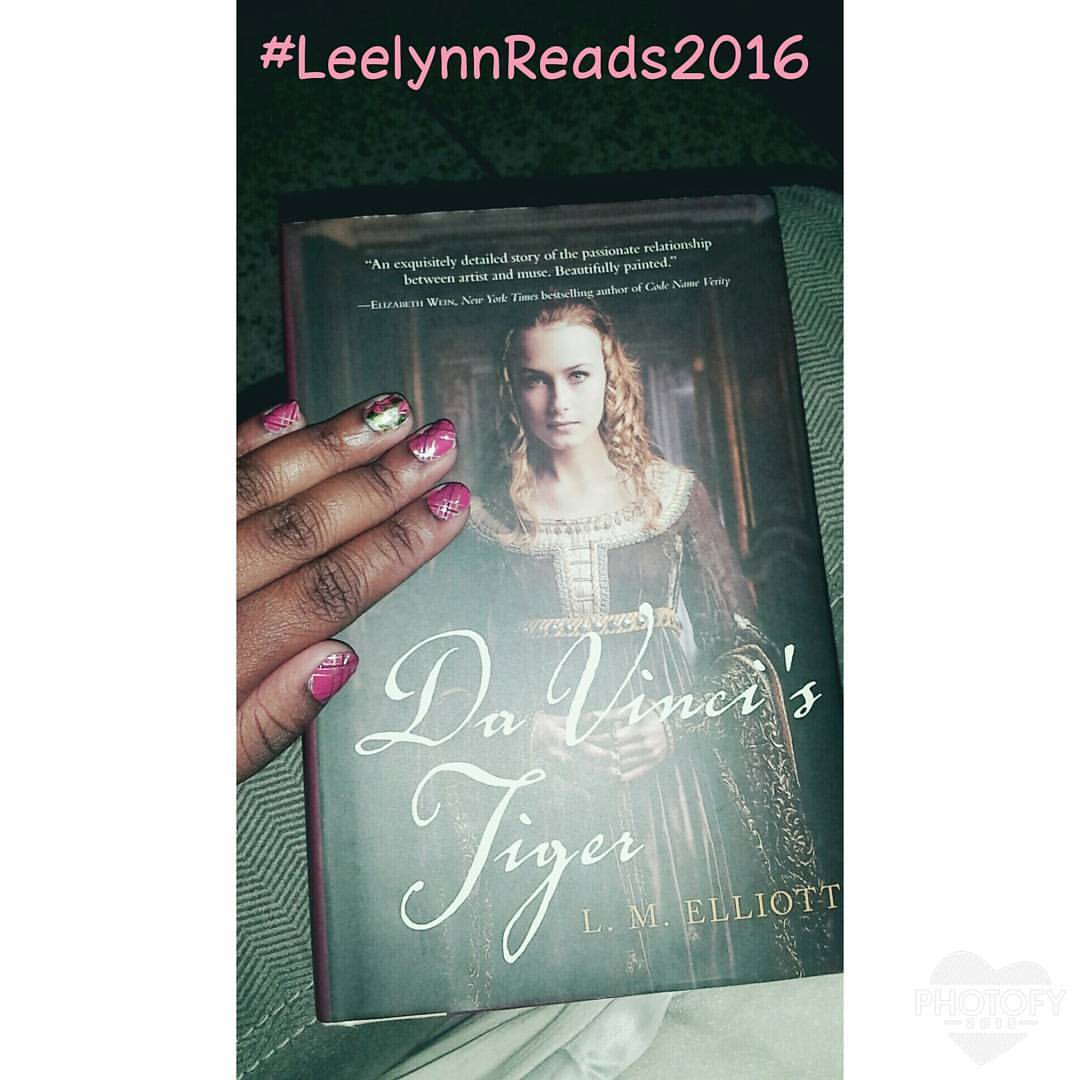
Da Vinci’s Tiger – Book Review

Da Vinci’s Tiger – Book Review

“Most importantly, you make the choice of songs you sing within the case. With your mind and gifts, it can be an exquisite litany. Sing of us. Sing of yourself. Sing of what treasure lies inside women’s hearts and minds if men but look beyond their preconceived notions. We think, we feel, we bleed when hurt. We have courage when tested. Someday men may laud rather than fear that. That is my hope.
So sing, Ginevra. Make them listen.”


Italy. 1400s. Renaissance. This is a time where artists are trying to find their muse, and bring the beauty of their subject to life, whether it’s through a painting or through a sculpture. This is the time of Donatello, Leonardo Da Vinci, and all the other greats that history has come to know about. It is in this setting, so far into the past, that history comes to life, in the eyes of one particular girl in Italian history. Her name is Ginevra de’ Benci, and this is her story.

One of the things that stands out a lot about Ginevra is her lack of fear when it comes to speaking her mind. This is clearly shown during the first chapter, while she and her friend Simonetta are watching the jousting competition. She hears some men in the audience speaking ill of her brother, calling him names and basically saying that he is a fool for spending so much money on a particular horse. She has no problem standing up to them, using her wit to give those men a run for their money. They didn’t even realize that they were insulting her brother until she spoke up. More examples of her assertive demeanor is prominent throughout the book, and it’s what makes her so easy to root for.

As a woman living in Italy during the 1400s, we see how women are treated back then if they are considered beautiful enough to win the Platonic heart of a man in high power. Simonetta was the Platonic love of one of the Medici sons, and Ginevra became the Platonic love of Ambassador Bembo. We also see that the fact that Ginevra is a poet is rare in and of itself, since there are very few – if any at all – female poets during this time period. In fact, it is one of her poems that catches the eye of Ambassador Bembo to her in the first place, although it is revealed later on in the novel that that may not have been the case. Her poems are deep, reaching into the very depths of human soul, and because she is a woman, she is sometimes afraid to show her talent to those in power. It’s with the help of her Mother Superior, Mother Scolastica, that helps her to “sing” of her talents, so that other women can be seen as more than just their beauty.

I may not be an expert in Italian Renaissance history, but I was really impressed with the attention to detail that went into this book. The author even sited all of her sources in the end of the book, as if this were a college historical essay rather than a Young Adult fictional story. It made the story seem that much more real, as if it were an autobiography I was reading rather than a work of art. That was part of the appeal to me, and I’m very glad that the author decided to write the book this way. Ginevra was a force to be reckoned with, and with the help of Leonardo Da Vinci, she became a legend that we can still see to this very day. She was a mountain tiger, and that’s what she will be remembered as.

Rated: 4/5 Stars

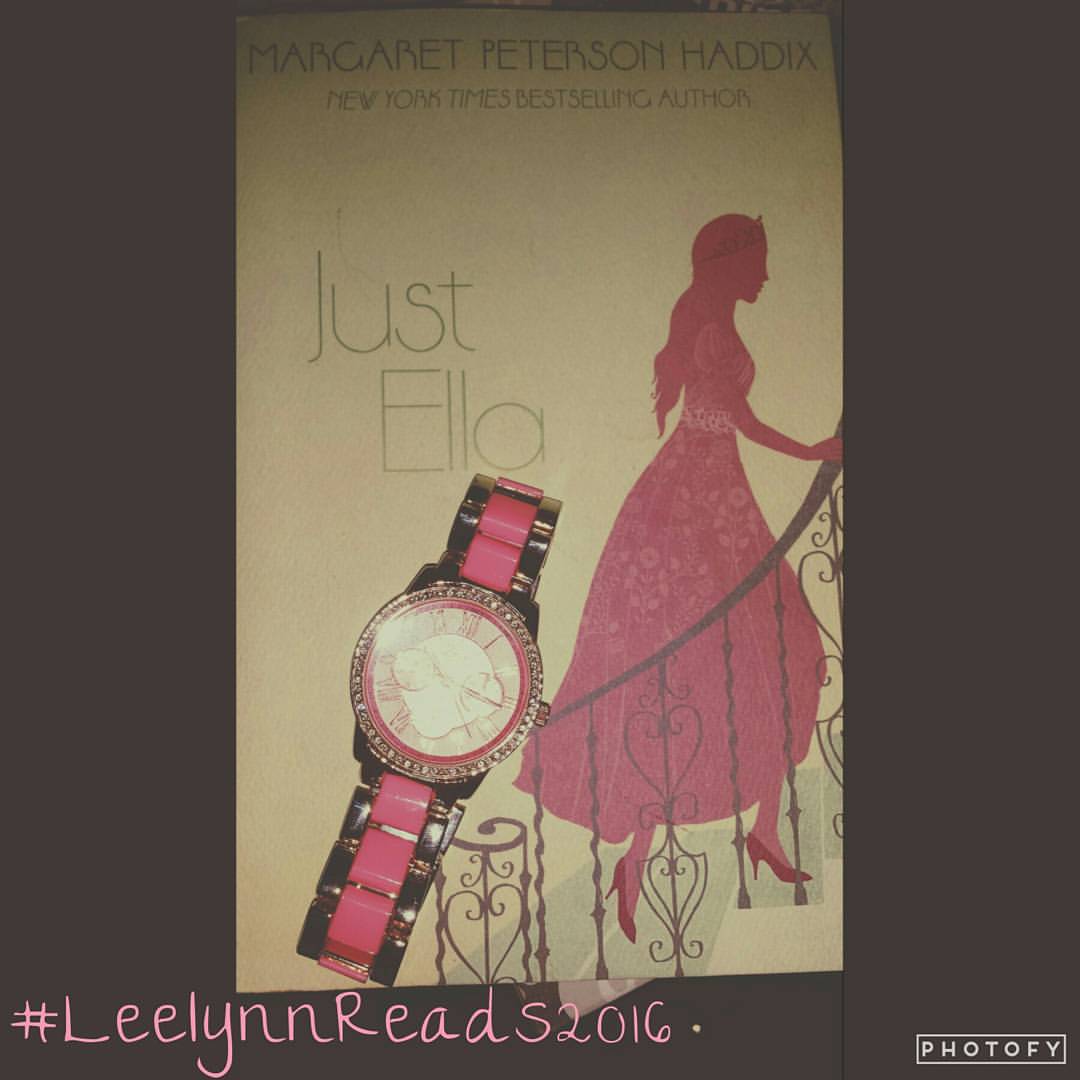
Just Ella – Book Review

Just Ella – Book Review

“I’d done something everybody had told me I couldn’t. I’d changed my life all by myself. Having a fairy godmother would have ruined everything.” – Ella Brown


Everyone knows the story about Cinderella. She was a beautiful orphan in the care of her wicked stepmother and stepsisters, and her fairy godmother helped her get ready for the Prince’s ball. There she winds up meeting the Prince, they fall in love after dancing the night away, only to have her run back home when the clock strikes midnight. He eventually finds her by having every single single girl in his kingdom try on the glass slipper his mystery girl lost the night of the ball, and then they live “happily ever after.” That’s the way the story ends, or so we thought.

Unfortunately for our main girl Ella, she did not live happily ever after at all, and her Prince Charming was anything but. The story takes place months before the wedding, and Ella is forced to learn how to become more of a lady. Of course it’s going to be a challenge, especially growing up having to become a slave to her stepmother after her father died. In this world, there is war, refugees, and the only happily ever after is in the outlandish rumors going around the castle about Ella’s background. No, she did not have a fairy godmother to help her get to the ball and woo the Prince, but the entire palace sure believes that story. She made her own dress, used her cleverness to obtain glass slippers, and got to the ball by walking part most of the way to the castle. She changed her own fate, and the fact that everyone didn’t know the truth about what happened, and chose to believe a fairy tale rather than find out the reality of the situation stung even more.

Ella is a very strong feminist, and in this book it shows why that concept is important. We see Ella getting everything about being a princess wrong, and that’s not because she isn’t trying. It’s really because, in this kingdom, being a princess involves not being able to have an original thought, or even know the truth about what’s happening around the little bubble they forced her into. The Prince turns out to be extremely boring and one dimensional, unable to hold an actual conversation with Ella during their chaperoned meetings. She finds him dull, and realizes that she fell in love with the idea of him on the night of the ball, so long ago to her. She didn’t fall in love with the prince himself, and she had to figure out a way to get out of such a loveless and destructive marriage.

In the end she figures out a way to escape, even though she was forced into the castle’s dungeon for a period of time. Speaking out against the marriage, and showing that she was not the dainty little girl the palace wanted her to be was what got her into trouble, but that didn’t stop her from removing herself from a dangerous situation, one that made her feel threatened and uncomfortable. She ran, all the way to the edge of the kingdom where the refugees of the war were staying, and she made herself into a woman of knowledge and skill. It was hard work, maybe even harder than what she had to go through growing up, but she loved it. She excelled at it, and it fulfilled her life in ways that she didn’t even dream of. She made her own destiny into one that she could have never had if she went through with her marriage to the prince, and even though she could probably never go back to that part of the kingdom, she was better off for it.

I felt like this book was pretty interesting, even though it was short to me and ended somewhat abruptly. It really changes the preconception of the Cinderella story, the one that little girls are used to seeing from Disney. There is so much more to this book than what Disney showed us, and in its own little way, they flip the well known story on its head and change the way we see Cinderella. She changes from this girl who had a fairy godmother and talking mice helping her to become a princess to an assertive, no-nonsense teenager that would rather watch a jousting tournament than be inside stitching a new dress. This is a good introduction into the world of female protagonists who just don’t like being told what to do, and I feel she has the potential to join the ranks of my favorites, like Rose Hathaway and Hermione Granger. Not bad company to keep.

Rated: 4/5 Stars